


Tea (usually a hot infusion of plant parts) is the most consumed and diversified beverage around the world. Many plants are used to make tea, such as spearmint tea is made from leaves of the mint plant; ginger tea, from ginger root; Hibiscus tea, made from dried red hibiscus flowers; and lemongrass citrus flavoured tea from tall stalks of lemongrass. However, when the simple term “tea” is used, it refers to the typical tea made from the leaves of Camellia sinensis.
Positive Impact of Tea Compounds on Bone Health
Owing to its unique flavour and relaxing effect, the global consumption of tea is very high and was estimated to reach 7.4 billion kg by 2025. Apart from its flavour and relaxing effects, tea contains a variety of antioxidants that help protect against several diseases. Current scientific studies witness the positive impact of tea polyphenolic antioxidants on bone mineral density and bone strength. Several prospective cohort studies report the association between tea consumption and a lower rate of osteoporosis and fractures. One of those studies involving around half a million participants, aged 38-73 years and followed for about 13 years, found a significant reduction in osteoporosis risk on consuming 1-2 cups of both tea and coffee /day. Another study that compared bone mineral density among postmenopausal women who drink tea and those who do not found higher bone mineral density in tea drinkers. Compared to black tea, green tea imposes a greater positive impact on bone health, studies reveal. Green tea polyphenols favour the formation, multiplication and mineralization of bone-forming cells.
Impact of Tea bags on Bone Health
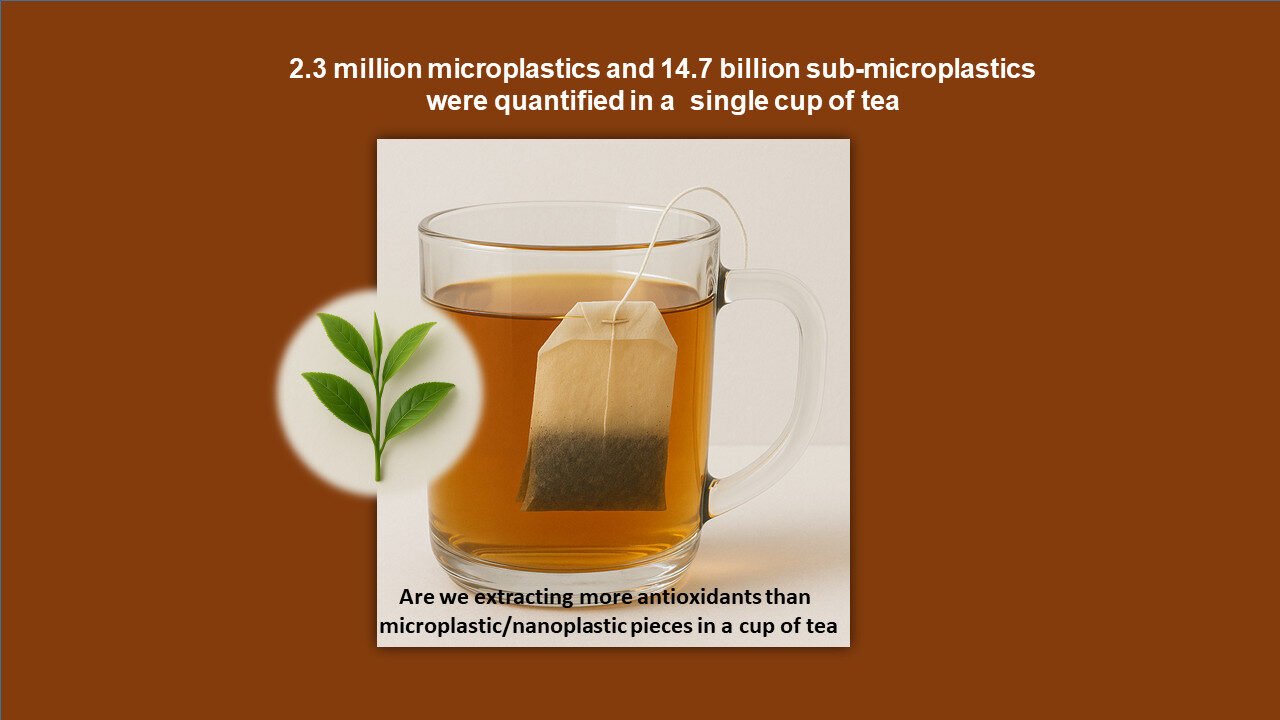
Besides all the positive attributes of tea itself, tea available in tea bags is a serious health concern, as proved by research studies. Tea bags made from nylon, polypropylene, and polyethylene terephthalate release micro and nanoplastic particles during steeping in boiling water. According to scientific quantitative determination, a single cup of tea prepared from a tea bag could release 2.3 million microplastics and 14.7 billion sub-microplastics. These particles, once ingested, find their way and are accumulated in various organ tissues, including lungs, liver, intestine, kidneys, blood, placenta, breast milk and bone. Studies focused on the association between microplastics and bone health report that oxidative stress and inflammation caused by microplastics in the body disturb the process of bone formation and accelerate bone degradation. Using a 6-month drinking water model of mice exposed to microplastics, scientists reported a sharp decrease in bone mass and damage in the structure of the femur.
I have discussed, in detail, the role of various nutrients on bone health in my recent book “SURPRISING TRUTHS ABOUT NUTRITION AND BONE HEALTH” available on Amazon.
Conclusion
Though tea antioxidants may exert a positive impact on bone health, the leaching of microplastic particles from tea bags seems to take away all the goodness from the cup of tea. The research on the impact of microplastics on bone health highlights the importance of this global issue.
For further reading
- Bridging relevance between microplastics, human health and bone metabolism: Emerging threats and research directions
- Microplastics and nanoplastics in tea: Sources, characteristics and potential impacts
- Microplastics in human skeletal tissues: Presence, distribution and health implications
- Effects of microplastics on the bones: a comprehensive review
- Chronic exposure to polystyrene microplastics triggers osteoporosis by breaking the balance of osteoblast and osteoclast differentiation

