

Pickle, in all of its forms and varieties, is highly popular around the world. It is one of the most appreciated means of preserving fruits and vegetables because of its traditional use in many different cultures and cuisines. Pickles are delicious and complement the taste of the food served in combination with them. Besides their sensory appeal, pickles have been shown to exert a positive impact on health.
Pickles Around the World
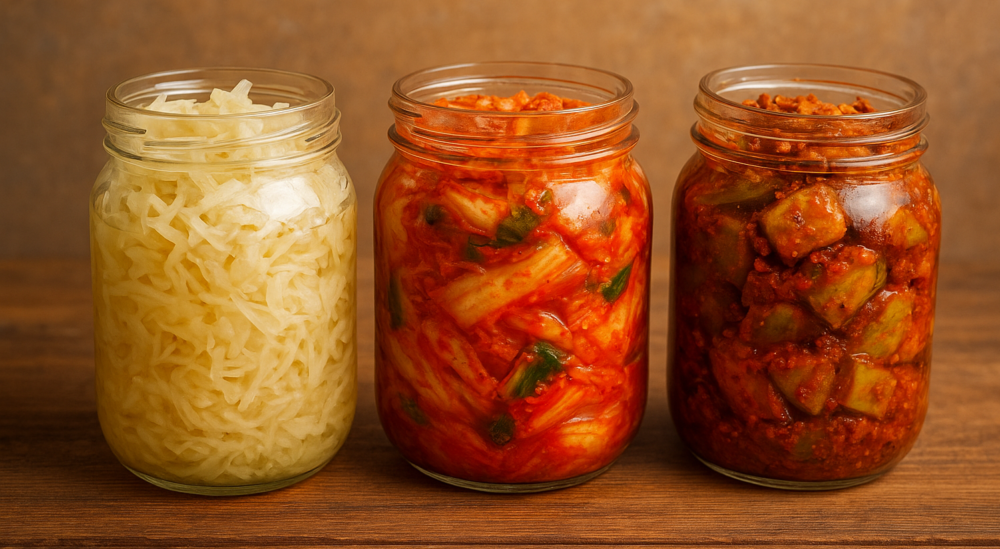
Pickles differ in composition and preparation across regions and cultures. Kimchi, the pickle in Korea, is made by fermenting vegetables like cabbage, carrots, peppers, spring onions, and garlic with spices. In South Asia, pickles are known as “achar,” which are made by fermenting fruits and vegetables (mango, lemon, hot pepper, carrot, garlic and mixed vegetables) with spices and mustard oil. Sauerkraut, the pickle common in Central Europe, is prepared by fermenting salted cabbage. The Iranian pickles, called “torshi,” are made by fermenting beets, carrots, cabbage, or cauliflower with vinegar, salt, and spices. Pickles made in Turkey, called “tursu”, include pickled cucumber, pepper, cabbage in vinegar and salt and flavoured with lemon and garlic and red pepper.
Unfermented Vs Fermented Pickles
Irrespective of their compositional differences, pickles fall into two major categories: unfermented and fermented. Unfermented pickles are produced either by immersing fruits/vegetables in concentrated brine (15% salt) or in vinegar (acetic acid) with some salt. In unfermented pickles, salt and vinegar are responsible for the preservation of the pickles. Fermented pickles are produced either by spontaneous fermentation (traditionally at home) or by using selected strains of specific starter culture of lactic acid bacteria (LAB) in industry. The traditional method relies on the fermentation initiated by microbes that are present on fruits and vegetables. The addition of salt as an ingredient allows only the desired salt-tolerant LAB to grow while killing harmful pathogenic species. Commercial method standardizes product quality and taste and ensures consistency by using selected LAB strains. While the commercial process ensures consistency for industrial production, traditional methods lead to a variety of bacterial species from the raw ingredients in the recipe, which produce a wide range of flavours and health-promoting compounds.

Health Benefits of Fermented Pickles
Fermented pickles not only complement the flavour of a variety of foods, but also provide multiple health benefits. First, fruits and vegetables on their own are a rich source of nutrients such as vitamins, minerals, nutraceuticals (such as phenolic acids, flavonoids, phytoestrogens), and prebiotic fiber. Second, Probiotic bacteria (added or natural native LAB) growing on these fruits and vegetables convert phytochemicals into bioactive compounds, increase bioavailability and modify the composition of vitamins, amino acids and peptides. The modified composition of fermented products includes short-chain fatty acids, γ-aminobutyric acid (GABA), minerals, B vitamins, polyphenols, and antimicrobial peptides. This compositional profile of fermented pickles offers multiple health benefits, such as a reduction in obesity, reduction in inflammation, control of emotions, prevention of infections, cancer and chronic diseases. A 12-week study trial based on 50g/day intake of fermented onion and lemon-chilli pickles by women was conducted. The intake was regular for 8 weeks but discontinued in the last 4 weeks. The results showed that regular intake for 8 weeks significantly increased the diversity of gut microbiota, and this increase in diversity sustained even after discontinuation in the last 4 weeks. In another 12-week trial, daily consumption of 3000mg of kimchi powder for 12weeks caused a significant reduction in body fat. Sauerkraut is a source of biologically active compounds generated from the breakdown of sulfur glycosides found in Brassica vegetables. These breakdown products have been found to have anti-cancer, antidiabetic and anti-inflammatory properties. In a 4-week trial, daily consumption of sauerkraut showed a positive impact on health by significantly increasing the short-chain fatty acids.
Conclusion
Fermented pickles is one of the convenient ways to increase gut probiotics due to their high palatability and sensory acceptance. An appropriate and regular consumption ensures the supply of nutrients, nutraceuticals and probability of reduced risk of diabetes, obesity, cancer, inflammation and infections.
For Further Reading
- Effects of kimchi consumption on body fat and intestinal microbiota in overweight participants: A randomized, double-blind, placebo-controlled, single-center clinical trial
- Recent updates and perspectives of fermented healthy super food sauerkraut: a review
- The impact of regular sauerkraut consumption on the human gut microbiota: a crossover intervention trial