

What is CoQ10?
Coenzyme Q10 (CoQ10) or ubiquinone, a fat-soluble antioxidant enzyme, is a regular component of our diet and is also produced naturally in the body. It is essentially required for the production of energy (ATP), therefore is found in mitochondria (powerhouse) of every body cell.
What causes of reduction in CoQ10?
Coenzyme Q10 (CoQ10) levels are reduced in certain body conditions and circumstances such as aging, medication and diseases. At the age of early twenties, natural production of CoQ10 is at peak, declines with age and by the age of 65, levels reduces to about 50% of its peak production. Statins (cholesterol-lowering drugs), heart failure, diabetes, chronic kidney disease and neurodegenerative diseases (Parkinson’s disease, Alzheimer’s disease) are associated with reduced CoQ10 levels. Besides these major factors, low dietary intake of nutrients required for synthesis of CoQ10 can impact its levels. Increased free radical production can lead to increased degradation of CoQ10. It has been estimated that frying foods, as potential source of free radicals, can reduce CoQ10 content by 14–32%.
Special significance for Athletes
While regular exercise improves overall antioxidant capacity, excessive or intense exercise may rapidly increase oxidative stress. Since intense exercise is associated with increased utilization of CoQ10 during muscle contraction, CoQ10 is drained faster than its synthesis in the body. This leads to muscle damage and impaired recovery. CoQ10 supplementation helps in recuperating from the oxidative stress and muscle damage caused by heavy exercise. In a study involving German Olympic athletes, daily supplementation of 300 mg of CoQ1 for six weeks caused significant improvement in performance of athletes. Another research trial involving top-level skiers demonstrated that supplementation of 90 mg/day CoQ10 caused significant improvements in various performance parameters, around 94 % of athletes reported improvement in performance and recovery during the supplementation period. Several other studies proved that CoQ10 supplementation at 60–100 mg/day for 4–8 weeks improved aerobic power, anaerobic threshold, performance and post exercise recovery in trained athletes. In most of the CoQ10 supplementation studies reduction in oxidative stress markers and fatigue indicators followed by improvement in performance of athletes highlights the role of CoQ10 in countering deleterious metabolic effects including oxidative stress.
Dietary Sources
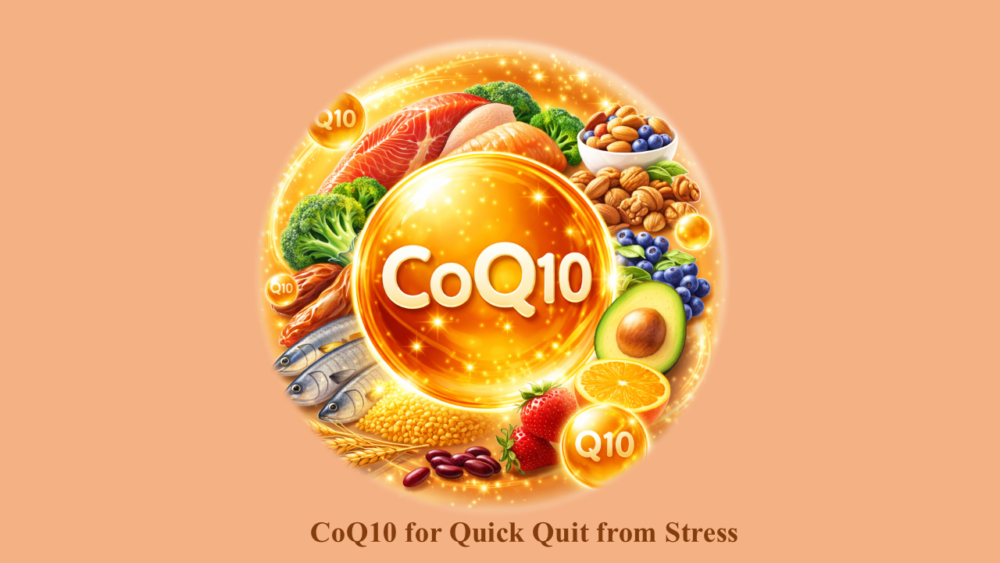
The average dietary intake of CoQ10 is about 3-6mg/day which has been estimated to contribute about 25% of plasma concentration. CoQ10 rich food sources include organ meat, fatty fish, beef, chicken, vegetable oils (soybean, corn, olive, and canola oils) and nuts. CoQ10 is fat-soluble, so to improve its absorption it is recommended to consume with a meal that contains healthy fats.
Conclusion
Coenzyme Q10 is a vital bioactive compound that plays a central role in mitochondrial energy production and antioxidant defense. Its synthesis declines with age and is compromised by chronic diseases, certain medications, inadequate dietary intake, and increased oxidative stress. For physically active individuals and athletes, intense exercise accelerates CoQ10 utilization, potentially impairing muscle function and recovery. Owing to its increased physiological demand under stress, ensuring adequate CoQ10 intake through diet or supplementation may be an effective strategy to support metabolic health and enhance physical performance.
For Further Reading
- Coenzyme Q10 Supplementation in Athletes: A Systematic Review
- Post-workout supplementation with CoQ10 and sports drink on exercise performance and muscle recovery after exercise in normal and overweight males
- Coenzyme Q10
- Can coenzyme Q10 supplementation reduce exercise-induced muscle damage and oxidative stress in athletes? A systematic review and meta-analysis